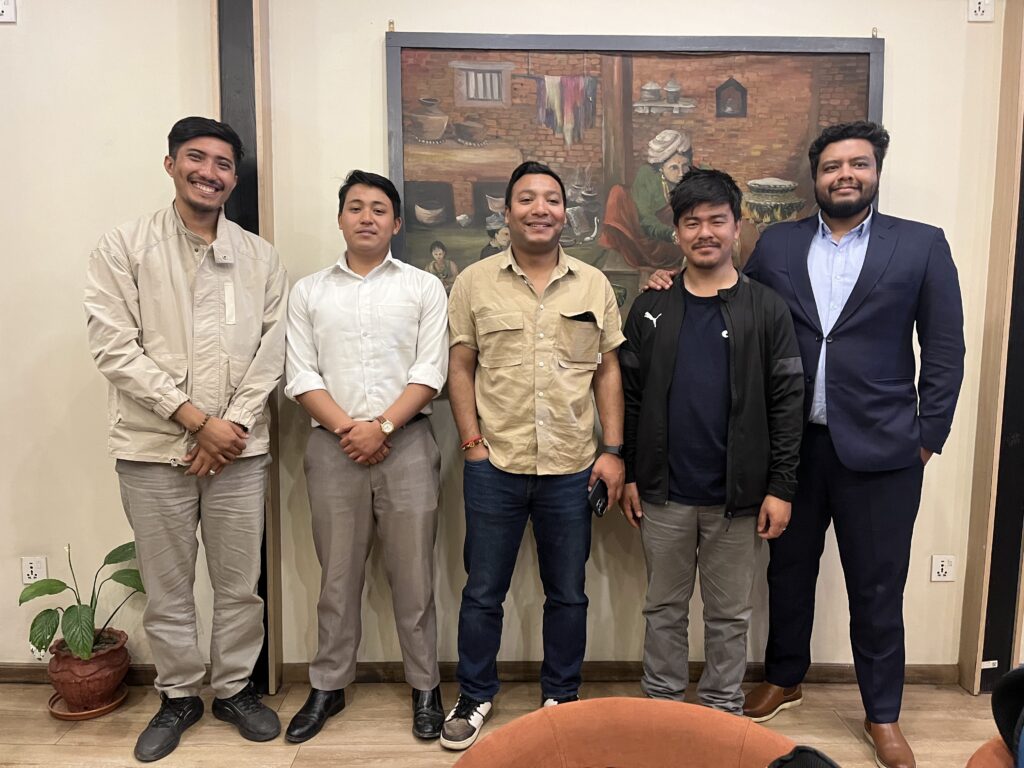
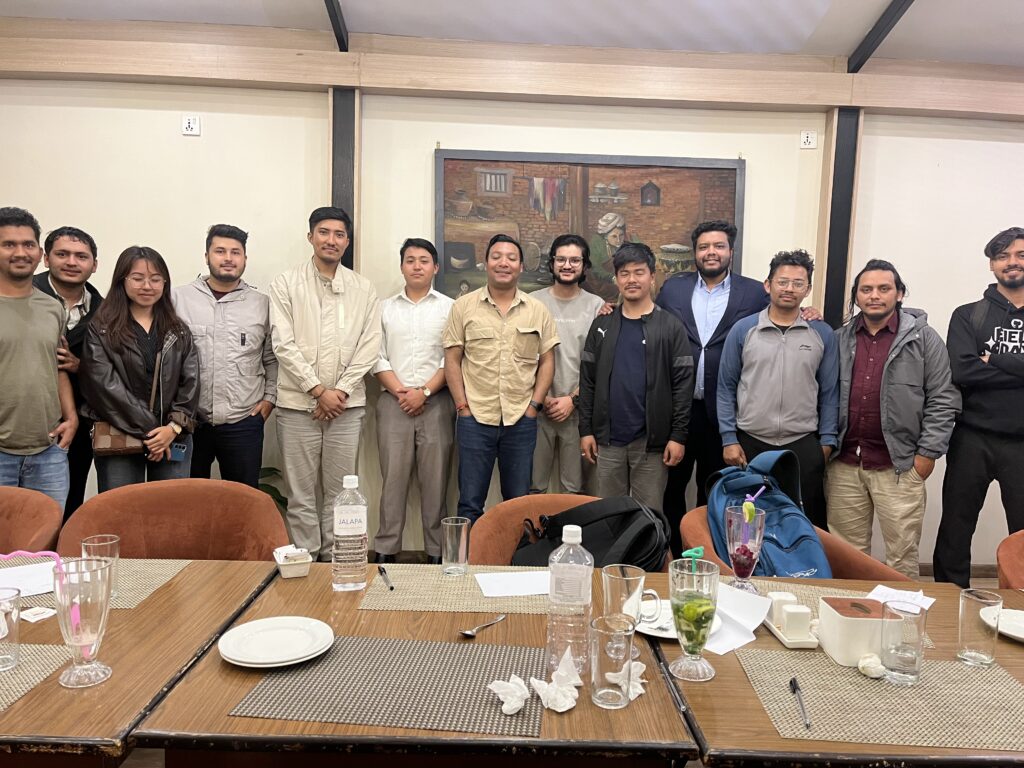
Kathmandu recently witnessed a significant step forward in strengthening Nepal’s startup ecosystem with the inaugural meeting of the IN-SPAN Center of Excellence (CoE). Held at Siddhartha Cottage, Tinkune, the gathering brought together the inaugural cohort of the India-Nepal Startup Partnership Network (IN-SPAN), marking the beginning of a collective effort to extend opportunities beyond a select few and into the broader entrepreneurial landscape of Nepal.
The origins of this initiative lie in the IN-SPAN program, a collaborative effort between the Indian Embassy in Nepal and IIT Madras Pravartak. The program offered an intensive two-month immersion in entrepreneurship, startup development, and ecosystem building at IIT Madras. From over 600 applicants across Nepal, 24 promising startups were selected to participate in this transformative experience. During their time in Chennai, participants were exposed to a vibrant innovation ecosystem, gaining firsthand insights into technology-driven entrepreneurship, mentorship structures, and institutional support systems.
While the program proved highly impactful for the selected cohort, it also highlighted a critical gap: access. Each year, only a limited number of startups can benefit from such international exposure, leaving a vast majority of aspiring entrepreneurs without similar opportunities. Recognizing this disparity, the inaugural cohort has taken a proactive step to democratize access to knowledge and resources by establishing the IN-SPAN Center of Excellence in Nepal.
The vision of the CoE is clear; to create a sustainable, locally rooted platform that brings the essence of the IIT Madras ecosystem to Nepal. With continued support from IIT Madras Pravartak, particularly in technical capacity-building, and facilitation from the Indian Embassy, the CoE aims to serve as a bridge between global expertise and local entrepreneurial needs. However, the initiative is not intended to be externally driven; rather, it is being shaped and led by Nepali founders themselves, ensuring that its direction remains contextually relevant and inclusive.
The first official meeting of the cohort reflected both enthusiasm and depth of thought. Participants engaged in meaningful discussions on how the Center of Excellence should be structured, identifying key focus areas that could have the most impact on Nepal’s startup ecosystem. These discussions spanned potential training programs, mentorship models, partnerships, and mechanisms for scaling knowledge-sharing initiatives.
Equally important was the alignment on both short-term and long-term goals. In the immediate term, the CoE aims to establish foundational programs that can begin delivering value to early-stage startups – particularly those lacking access to structured guidance. Over the longer term, the vision expands toward building a self-sustaining ecosystem that promotes innovation, supports scaling ventures, and strengthens cross-border collaboration between Nepal and India.
The meeting also underscored a shared sense of responsibility among the cohort members. Having benefited from a rare and valuable opportunity, the founders expressed a collective commitment to giving back to the ecosystem. The CoE is not merely an institutional initiative; it represents a mindset shift – one that prioritizes collaboration over competition and ecosystem growth over individual success.
As the IN-SPAN Center of Excellence takes its first steps, it carries with it the potential to reshape how entrepreneurial knowledge is shared and scaled in Nepal. By leveraging international partnerships while nurturing local leadership, the initiative stands as a promising model for inclusive ecosystem development.
The detailed roadmap and program offerings of the CoE are expected to be unveiled in the coming months. For now, the inaugural meeting signals a strong and thoughtful beginning – one that could pave the way for a more accessible, resilient, and interconnected startup ecosystem in Nepal.